2026-10-11 · David Miller
What Influences Termite Treatment Costs in the Midlands
Termite treatment costs in the Columbia, SC Midlands region typically range from $400 to $2,500, with more extensive infestations or larger properties sometimes reaching $4,000 or more. This range reflects various factors, including the type of treatment, the size of your home, and the severity of the termite problem. As a homeowner in Shandon, Five Points, or even out towards Lexington, understanding these variables is key to anticipating your investment in protecting your property from these destructive pests. The humid subtropical climate of Richland County, with its hot summers and mild winters, creates an ideal environment for termites to thrive year-round, making proactive and effective treatment crucial.
Size and Type of Your Home
The physical dimensions and construction style of your Columbia home are primary drivers of termite treatment costs. A larger footprint, for instance, means more perimeter to treat for a liquid soil barrier or more areas to inspect and potentially bait. Homes in older neighborhoods like Rosewood or Earlewood, often with crawl spaces or basements, can present different challenges and require more labor-intensive treatment methods compared to newer slab-on-grade constructions found in Forest Acres. The type of foundation significantly impacts accessibility for technicians and the amount of material needed. For example, a home with a complex foundation or extensive landscaping close to the structure will demand more time and precision, directly affecting the overall cost.
Furthermore, multi-story homes or those with multiple additions can complicate the treatment process. Each level and every unique structural element might require specific attention, especially if termites have found their way into upper floors. Our approach considers these architectural nuances to ensure comprehensive coverage, whether we're dealing with a cozy bungalow near the University of South Carolina or a sprawling residence further out in Irmo. The goal is always to create an effective defense, tailored to your specific property, which inherently factors into the pricing.
Severity of the Termite Infestation
The extent of the termite problem is arguably the most significant cost influencer. A minor, localized infestation caught early will almost always be less expensive to treat than a widespread, long-standing issue that has compromised multiple areas of your home. During our initial inspection, we look for key indicators like mud tubes, which are common in our area after summer storms, or visible damage to determine the scope. A small colony detected in a single joist might be handled with a targeted spot treatment, while a pervasive infestation requiring a full perimeter defense or even a whole house termite fumigation will naturally incur higher costs.
Our experienced technicians often find that homeowners in the Midlands, especially those living near the Congaree River or in areas with older homes, may not realize the severity of their termite issue until significant damage has occurred. Factors like the number of active colonies, the species of termite (subterranean termites are most common here), and how deeply they've penetrated the structure all play a role. A more advanced infestation demands more intensive labor, specialized products, and often a longer treatment duration, directly influencing the final price tag. Understanding these signs of termites in walls can help you catch problems earlier.
Chosen Treatment Method
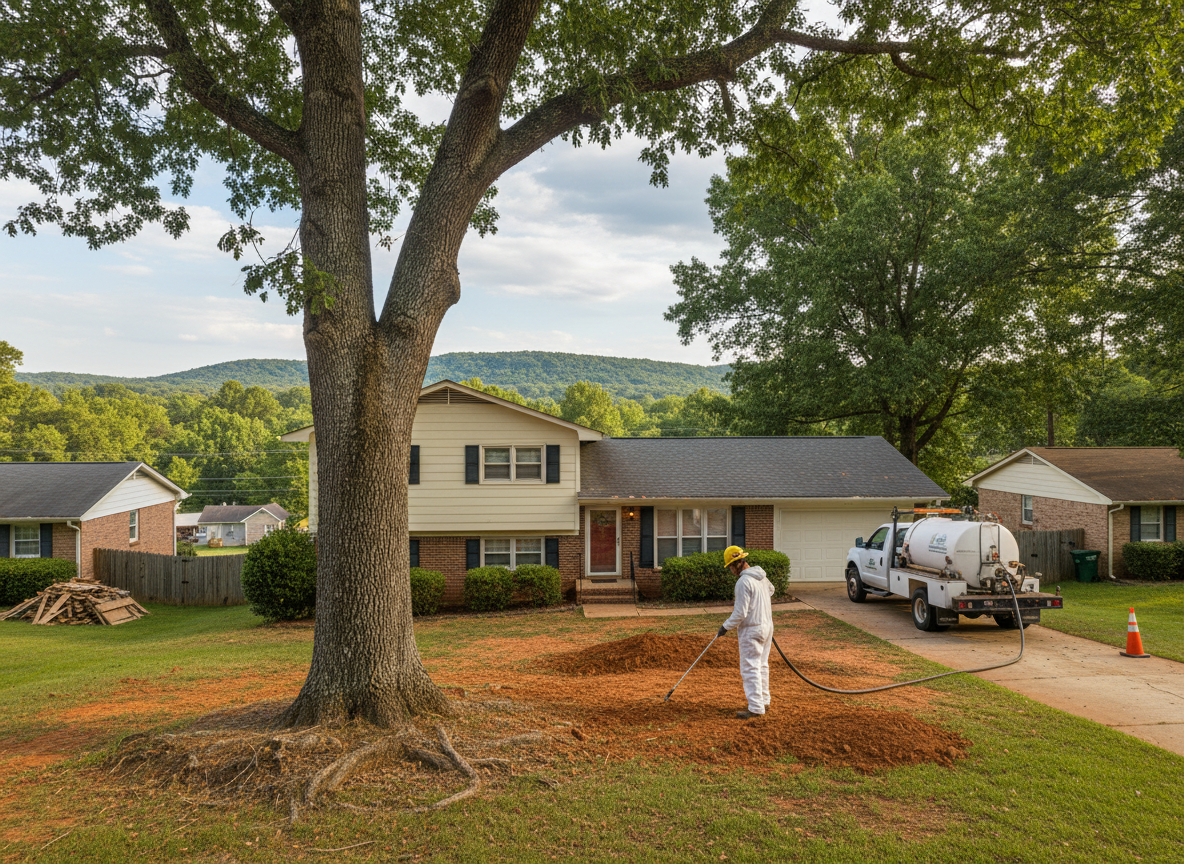
Columbia homeowners have several effective options for termite treatment, each with its own cost implications. The most common methods include liquid soil termite barriers and termite baiting systems. A liquid barrier involves applying a termiticide around the foundation of your home, creating an undetectable treated zone that termites cannot cross without being exposed. This method is often highly effective for subterranean termites and provides long-lasting protection, typically for 5–10 years. The cost for a liquid barrier depends on the linear footage of your home's perimeter and the specific product used.
Alternatively, termite baiting systems involve placing bait stations around your property. Termites forage for the bait, carry it back to their colony, and eventually eliminate the entire colony. This method is often preferred for its eco-friendly nature and less intrusive application, but it generally involves an initial installation cost followed by ongoing monitoring and bait replenishment, which contributes to the overall expense over time. For localized issues or specific termite types, such as drywood termites, a drywood termite spot treatment might be a more cost-effective solution, though less common for the subterranean species prevalent in Richland County.
Property Accessibility and Unique Challenges
The ease with which our technicians can access and treat your property significantly affects the labor component of the cost. Homes with cluttered crawl spaces, dense landscaping, or difficult-to-reach areas will require more time and effort to treat effectively. For example, a home in the Vista with tight access points or extensive decking might take considerably longer to prepare and treat than a more open property. We also consider factors like the presence of wells, drainage systems, or other environmental considerations that might require specialized application techniques or products.