2026-10-11 · David Miller
Monitoring for Spring Swarmers Around Columbia Properties
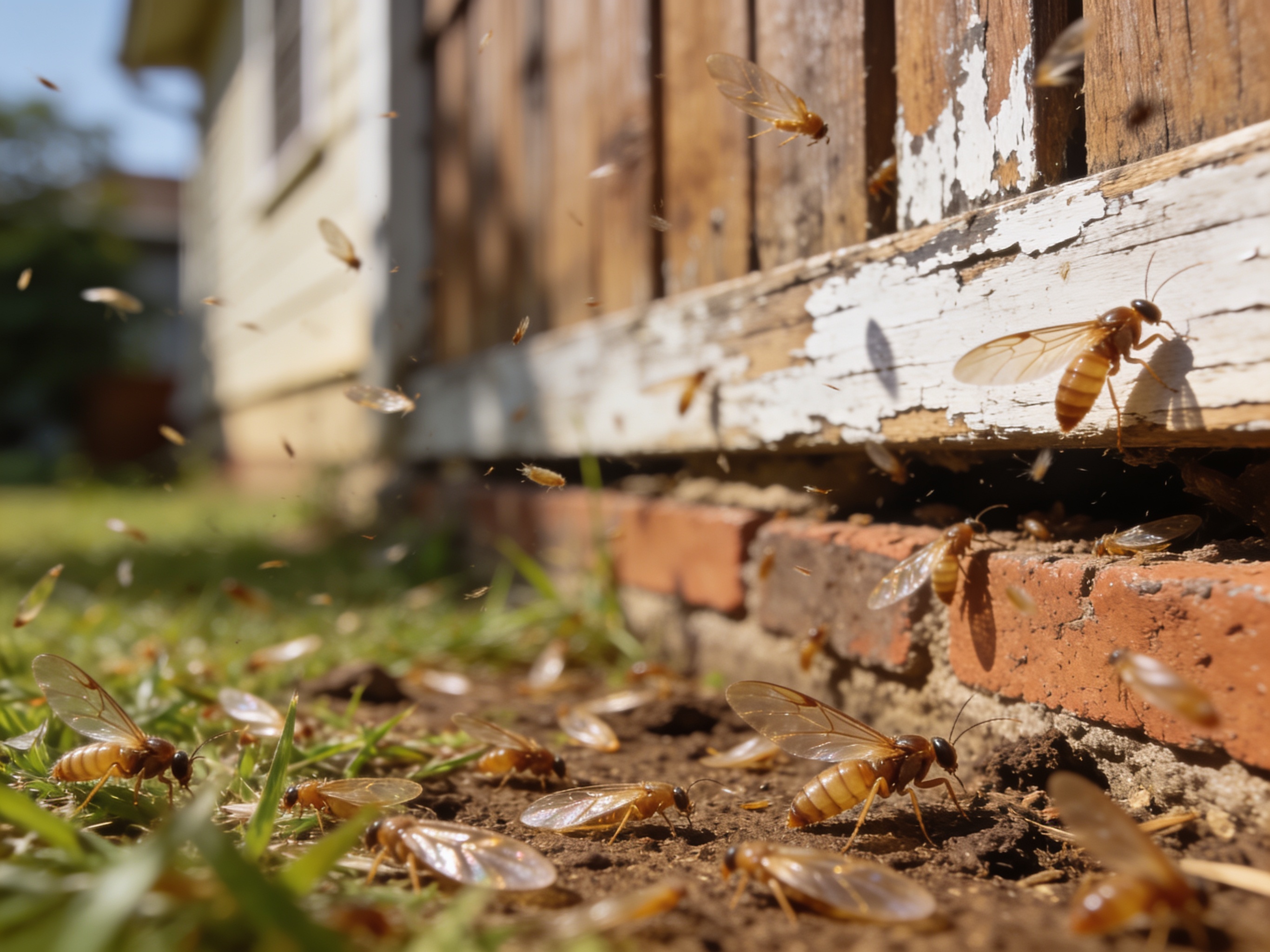
Monitoring for spring termite swarmers around Columbia properties is crucial because these winged termites are the primary indicators of a mature, active colony nearby, often within or very close to your home. In Richland County, with its humid subtropical climate and mild winters, termites remain active year-round, but spring, typically from late February through May, is when conditions are ideal for swarming. This is when established colonies release reproductive termites to start new colonies, often triggered by the first warm, humid days after a cool spell. If you see swarmers indoors, it almost certainly means you have an active infestation requiring immediate attention. For properties in neighborhoods like Shandon, Five Points, or Forest Acres, where many homes have older wooden structures, vigilance during this period is especially important.
Understanding Termite Swarmers and Their Lifecycle
Termite swarmers, also known as alates, are the reproductive caste of a termite colony. They are typically dark-bodied, about 1/4 to 1/2 inch long, and possess two pairs of equally sized wings, which they shed shortly after their flight. Unlike ants, which they are often mistaken for, termites have straight antennae, a broad waist, and wings that are much longer than their body. Their primary purpose is to leave the existing colony, find a mate, and establish a new colony. This swarming event is a natural part of the termite lifecycle and is often triggered by specific environmental cues, such as increased temperatures and humidity after rainfall. For residents near the Congaree River or other damp areas, these conditions are particularly prevalent, making properties more susceptible.
The presence of swarmers, particularly indoors, is not just a nuisance; it's a critical warning sign. It indicates that a termite colony has been established for at least 3 to 5 years, as it takes time for a colony to mature enough to produce reproductives. This also means that significant damage could already be underway within your walls, foundations, or other wooden structures. Observing swarmers, or finding their discarded wings, should prompt you to schedule a professional termite inspection without delay. Early detection is key to mitigating the extensive damage termites can inflict on homes and businesses across Columbia, from the Vista to Earlewood.
Where and When to Look for Swarmers
Given Columbia's climate, spring swarming can begin as early as late February and extend into May, with peak activity often occurring on warm, sunny days following rain. Homeowners should pay close attention to areas around windows, doors, and light fixtures, as swarmers are attracted to light. You might find them flying around these areas or discover piles of their discarded wings on windowsills, near baseboards, or even on spiderwebs. These wings are a definitive sign of termite activity, even if you don't see the termites themselves. Properties near landmarks like the University of South Carolina or Finlay Park, where there's a mix of older buildings and mature trees, are common sites for swarmer activity.
Beyond the interior, inspect the exterior of your home, especially around the foundation, woodpiles, and any areas where wood meets soil. Look for small, temporary mud tubes that termites use to travel from the soil to your home, particularly after a heavy rain. These tubes can be subtle and easily missed but are another strong indicator of an active infestation. Pay special attention to crawl spaces and basements, which often provide the dark, damp conditions termites prefer. Early detection of these signs can lead to timely intervention, potentially saving you thousands in repair costs. For more details on what to look for, check out our guide on Termite Swarmers.
Distinguishing Termites from Ants
It's common for homeowners to confuse termite swarmers with flying ants, but there are distinct differences that help in identification. Knowing these differences is vital for accurate assessment and appropriate action. Here’s a quick guide:
- Ants: Elbowed antennae, constricted waist (like an hourglass), two pairs of wings of unequal length (front wings longer than back wings).
- Termites: Straight antennae, broad waist (uniform body width), two pairs of wings of equal length, which are often shed after swarming.
If you're unsure, collecting a few specimens in a small container or taking clear photographs can be helpful for identification by a professional. This distinction is important because while flying ants are generally harmless, termite swarmers indicate a serious pest problem. Whether you're in Lexington, West Columbia, or Irmo, accurate identification is the first step towards effective termite control.